
Germany is one of the most powerful and respected countries in the world. Located in the heart of Europe, Germany attracts millions of visitors every year. People come to see historic landmarks, beautiful landscapes, modern cities, and famous cultural attractions. Because of its strong economy and rich heritage, Germany continues to play an important role on the global stage.
Many people know Germany for its engineering, automobiles, and world-famous festivals. However, there is much more to discover. Germany offers a unique mix of old traditions and modern innovation.
From ancient castles to advanced technology centers, the country provides experiences that appeal to travelers, students, and business professionals alike.
Today, Germany stands as one of Europe’s leading nations. Its influence reaches far beyond its borders through trade, education, science, sports, and culture. This guide explores everything you need to know about Germany, including its history, geography, culture, economy, tourism, and daily life.
Germany at a Glance
Germany is located in Central Europe and shares borders with nine countries. These neighboring nations include France, Poland, Austria, Belgium, Switzerland, the Netherlands, Luxembourg, Denmark, and the
Czech Republic. This central position has helped Germany become an important transportation and trade hub throughout Europe.
The capital city of Germany is Berlin. It is also the country’s largest city and one of Europe’s most exciting urban centers. Berlin combines historical landmarks, modern architecture, vibrant arts scenes,
and cultural diversity. Every year, millions of visitors travel to Berlin to learn about Germany’s fascinating past and dynamic present.
Germany covers more than 357,000 square kilometers. The landscape includes mountains, forests, rivers, lakes, and fertile farmland. Because of this variety, Germany offers many opportunities for
outdoor activities. Visitors can enjoy hiking, cycling, skiing, boating, and nature exploration in different regions throughout the country.
The History of Germany
The history of Germany stretches back thousands of years. Ancient Germanic tribes lived throughout the region long before the modern nation was established. These tribes played an important role in
European history and helped shape the cultural foundations of Germany. Over time, different kingdoms and territories emerged across the area.
During the Middle Ages, the region became part of the Holy Roman Empire. Although many independent states existed, they shared cultural and political connections. Trade expanded, cities grew,
and Germany became an important center for learning, religion, and commerce. Many famous cathedrals and castles from this period still stand today.
Modern Germany officially became a unified nation in 1871. During the twentieth century, Germany experienced major challenges, including two world wars and political division. After decades of
separation between East and West Germany, reunification took place in 1990. Since then, Germany has developed into a stable democracy and one of the world’s strongest economies.
Geography and Natural Beauty of Germany
Germany is known for its diverse natural landscapes. The northern part of the country features coastal areas along the North Sea and Baltic Sea. These regions offer sandy beaches, charming towns, and beautiful waterfront views that attract visitors throughout the year.
Central Germany contains rolling hills, forests, and river valleys. The Rhine River is one of the most famous waterways in Europe and flows through some of Germany’s most scenic regions. Along its banks, visitors can find vineyards, historic villages, and impressive castles that create breathtaking views.
Southern Germany is home to the Alps, which provide excellent opportunities for skiing, hiking, and mountain adventures. The region also contains beautiful lakes and picturesque countryside. Many travelers visit southern Germany to enjoy nature, outdoor recreation, and traditional Bavarian culture.
Culture and Traditions in Germany
Culture plays a major role in everyday life across Germany. The country values education, creativity, and community involvement. Museums, theaters, art galleries, and music festivals can be found in cities and towns throughout Germany, providing countless opportunities for cultural experiences.
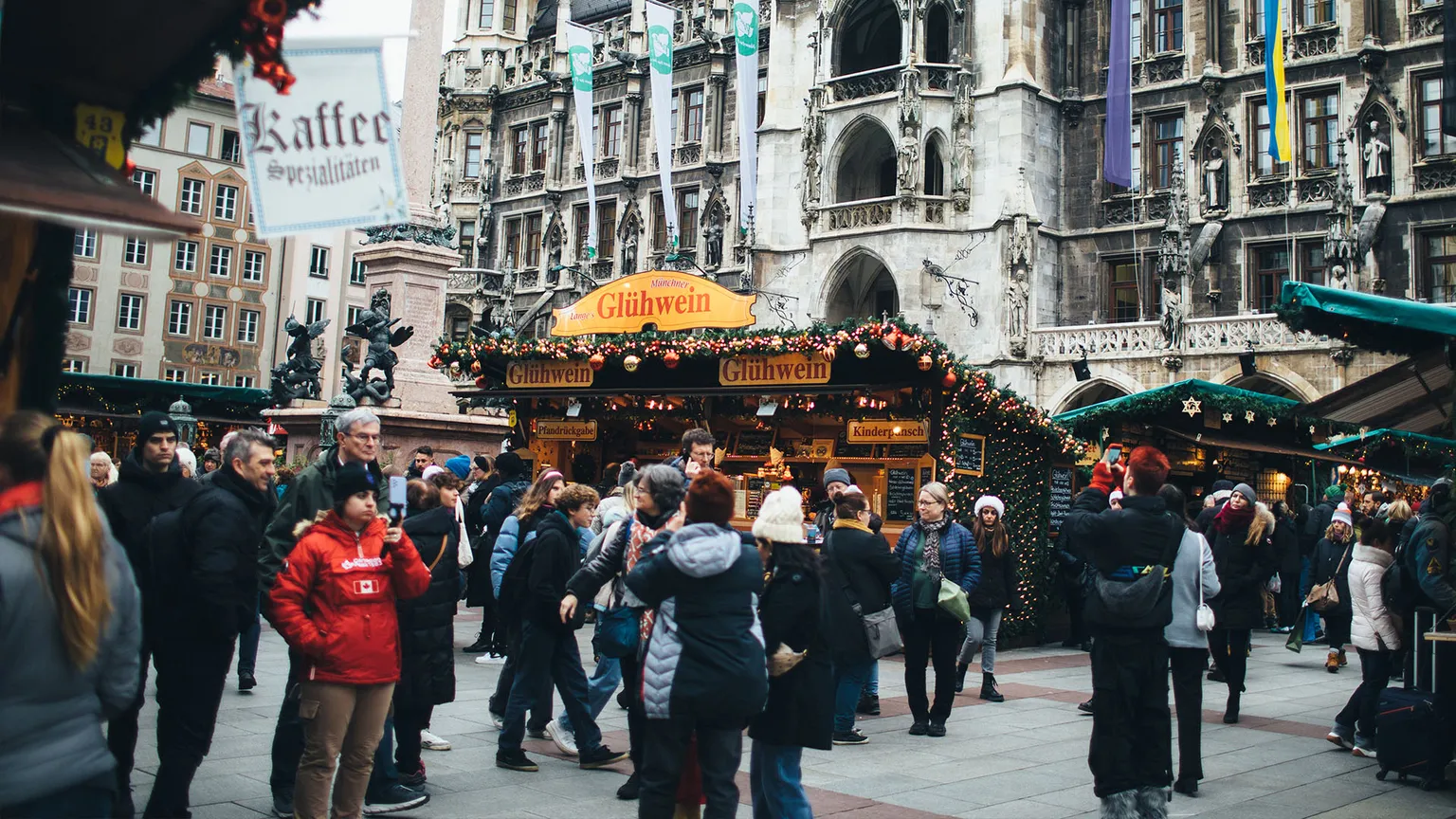
Germany is famous for its traditional festivals. Oktoberfest is perhaps the most recognized celebration and attracts visitors from around the world. However, Germany also hosts Christmas markets, local fairs, music events, and seasonal festivals that showcase regional customs and traditions.
Family gatherings and community events remain important parts of German culture. People often participate in local clubs, sports organizations, and social activities. These traditions help strengthen relationships and create a strong sense of community throughout Germany.
Major Cities in Germany
Berlin stands as the political and cultural heart of Germany. The city offers a fascinating mix of historical landmarks, modern attractions, and creative energy. Visitors can explore museums, memorials, government buildings, shopping districts, and entertainment venues throughout the city.
Munich is another famous German city known for its rich traditions and welcoming atmosphere. Located in Bavaria, Munich combines historic architecture with modern business centers. The city also serves as the home of Oktoberfest, one of the largest festivals in the world.
Hamburg is Germany’s largest port city and an important center for international trade. Its waterfront districts, canals, and cultural attractions make it a popular destination for both tourists and business travelers. Frankfurt and Cologne also contribute significantly to Germany’s economic and cultural success.
FAQs About Germany
1. What is Germany famous for?
Germany is famous for its cars, castles, engineering, football, festivals, and rich history.
2. What is the capital of Germany?
Berlin is the capital city of Germany. It is also the largest city in the country.
3. What language do people speak in Germany?
Most people in Germany speak German. Many people also understand and speak English.
4. Is Germany a good place to visit?
Yes. Germany offers beautiful cities, historic landmarks, natural scenery, museums, and cultural festivals.
5. What is the currency used in Germany?
Germany uses the Euro (€) as its official currency.
Conclusion
Germany is one of the most influential countries in Europe and the world. It offers a rich mix of history, culture, innovation, and natural beauty. From modern cities and famous landmarks to beautiful forests and mountain landscapes, Germany provides something for everyone.
The country continues to attract tourists, students, and business professionals because of its strong economy, excellent education system, and high quality of life. At the same time, Germany proudly preserves its traditions, festivals, and cultural heritage, creating a unique balance between the past and the future.
Whether you want to explore historic castles, experience vibrant cities, enjoy traditional food, or learn about European history, Germany is a destination worth discovering. Its global influence, welcoming communities, and diverse attractions make Germany one of the most fascinating countries in the world.
