
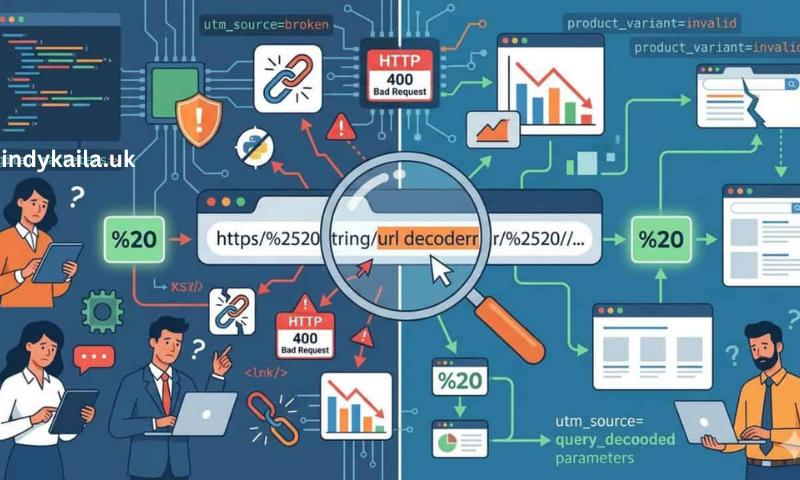
What Is url encoder spellmistake?
The term url encoder spellmistake refers to typing errors or wrong formatting while using a URL encoder. Many people use URL encoders every day. However, they often make small mistakes. These mistakes can break links or create problems online.
A URL encoder changes special characters into a format that browsers understand. For example, spaces become %20. This process helps websites work correctly. Still, users may create a url encoder spellmistake without noticing it.
Many beginners struggle with this issue. They may enter symbols the wrong way. Sometimes they skip encoding completely. As a result, the website may not open properly.
Learning about url encoder spellmistake helps developers, bloggers, and students. It also improves website performance. In addition, it keeps links clean and safe.
Why URL Encoding Matters
URL encoding plays a big role on the internet. Websites use encoded URLs to handle special characters. Without encoding, browsers can get confused.
For example, a space in a URL can create an error. Therefore, encoding replaces that space with %20. This makes the URL readable for browsers.
A url encoder spellmistake can damage the whole link. Even one wrong symbol may stop the page from loading. Because of this, proper encoding matters a lot.
Search engines also prefer clean URLs. Good URLs improve user experience. They also help websites rank better on search engines.
Many online forms use URL encoding too. Payment systems, login pages, and search bars depend on it. So, avoiding a url encoder spellmistake becomes very important.
Common Types of url encoder spellmistake
People make different kinds of URL encoding mistakes. Some errors happen because of typing problems. Others happen because users do not understand encoding rules.
One common url encoder spellmistake is forgetting to encode spaces. Instead of %20, users may leave a blank space inside the URL.
Another mistake involves special characters. Symbols like &, #, and ? need encoding in many situations. If users skip encoding, the link may break.
Sometimes people encode the URL twice. This issue is called double encoding. It creates confusing links that browsers cannot read correctly.
Wrong capitalization also causes problems. URL encoding codes must stay correct. Small changes can create a url encoder spellmistake quickly.
How URL Encoding Works
URL encoding changes unsafe characters into safe text. It uses a percent sign followed by hexadecimal values.
For example:
Space becomes %20
Exclamation mark becomes %21
Slash becomes %2F
This process keeps URLs safe for browsers and servers. It also prevents data problems during website communication.
A url encoder spellmistake happens when users type the wrong code. They may also forget the percent sign. As a result, the encoded URL fails.
Many online tools help with encoding. These tools quickly convert text into safe URLs. However, users still need to check for mistakes carefully.
Causes Behind url encoder spellmistake
Several reasons cause a url encoder spellmistake. One major reason is lack of knowledge. Beginners may not understand how encoding works.
Fast typing also creates errors. People often rush while creating URLs. Therefore, they miss symbols or type incorrect codes.
Copy-paste mistakes happen too. Users may copy broken URLs from websites or documents. Then they unknowingly spread the problem further.
Another reason is using old tools. Some outdated encoders fail to handle modern characters properly. This creates more encoding errors.
Poor testing also leads to trouble. Many users never test the final URL. So, the url encoder spellmistake stays hidden until someone clicks the link.
Effects of url encoder spellmistake
A small encoding error can create many issues. Broken links frustrate visitors. They may leave the website immediately.
Search engines dislike faulty URLs too. This can hurt SEO performance. As a result, the website may lose traffic.
A url encoder spellmistake can also affect online forms. Users may fail to submit information correctly. Sometimes payment pages stop working.
Security problems may appear as well. Incorrect encoding can expose websites to attacks. Therefore, developers must handle URLs carefully.
Businesses may lose customers because of bad links. So, fixing encoding problems becomes very important for website owners.
Best Ways to Avoid url encoder spellmistake
People can avoid mistakes by following simple steps. First, always use trusted URL encoding tools.
Next, test every encoded URL before sharing it. Open the link in different browsers. This helps find problems early.
Users should also learn common encoding symbols. Understanding basic codes reduces the chance of a url encoder spellmistake.
Another smart step is proofreading. Check every symbol carefully. Even one missing character can create issues.
Developers should use automatic encoding libraries too. These tools reduce human error. Therefore, they improve accuracy.
Popular URL Encoding Tools
Many online tools help users avoid a url encoder spellmistake. These tools quickly encode text and reduce manual work.
Popular URL encoders include:
URL Encoder by Small SEO Tools
URL Encode Decode
EncodeURI tools
Browser developer tools
Programming language libraries
Most tools work in seconds. Users only paste text and click encode. Then the tool creates a safe URL automatically.
Still, users should double-check the final result. Even automated tools may face issues sometimes.
url encoder spellmistake in SEO
SEO depends heavily on clean URLs. Search engines prefer readable and safe links. Therefore, encoding errors can hurt rankings.
A url encoder spellmistake may create duplicate pages. It can also confuse search engine bots. As a result, indexing problems appear.
Good URLs improve user trust too. Visitors like short and clear links. Clean URLs also increase click rates.
Encoded URLs should remain simple. Long and messy URLs reduce readability. Therefore, website owners should keep URLs organized.
SEO experts often test URLs before publishing content. This helps prevent future ranking problems.
URL Encoding in Programming
Programmers use URL encoding every day. Web applications depend on encoded URLs for smooth communication.
Languages like JavaScript, Python, and PHP provide encoding functions. These functions help developers avoid a url encoder spellmistake.
For example, JavaScript uses encodeURIComponent(). This function safely encodes user input.
Developers should never encode URLs manually when coding large projects. Automated functions work better and reduce risk.
Testing also matters during development. Even small mistakes can break application features.
Tips for Beginners
Beginners can learn URL encoding easily. They should start with basic symbols first.
Practice helps a lot. Try encoding small text examples daily. Soon the process becomes simple.
Always remember these tips:
Avoid spaces in raw URLs
Use trusted encoding tools
Test links before sharing
Learn common encoding symbols
Watch for double encoding
These simple habits reduce the chance of a url encoder spellmistake greatly.
Future of URL Encoding
The internet keeps growing every year. Therefore, URL encoding will stay important for a long time.
Modern websites now support more languages and symbols. This creates new encoding challenges. Still, better tools continue to appear.
Artificial intelligence may also help reduce a url encoder spellmistake in the future. Smart systems can detect errors automatically.
Developers continue improving browser support too. As technology grows, encoding may become easier for everyone.
However, users still need basic knowledge. Understanding encoding rules remains useful in every online field.
FAQs
What does url encoder spellmistake mean?
It means making typing or formatting mistakes while encoding a URL.
Why does URL encoding matter?
URL encoding helps browsers read special characters correctly.
Can a url encoder spellmistake hurt SEO?
Yes. Broken URLs can reduce rankings and create indexing issues.
What is double encoding?
Double encoding happens when users encode an already encoded URL again.
How can beginners avoid encoding mistakes?
They should use trusted tools, test links, and learn common encoding symbols.
Conclusion
A url encoder spellmistake may look small, but it can create big online problems. Broken links, SEO issues, and poor user experience often start with tiny encoding errors.
Thankfully, users can avoid these mistakes easily. Trusted tools, careful testing, and basic knowledge make a huge difference. In addition, regular practice improves accuracy over time.
URL encoding remains an important part of the internet. Therefore, learning it today can help students, bloggers, developers, and business owners in the future.
