
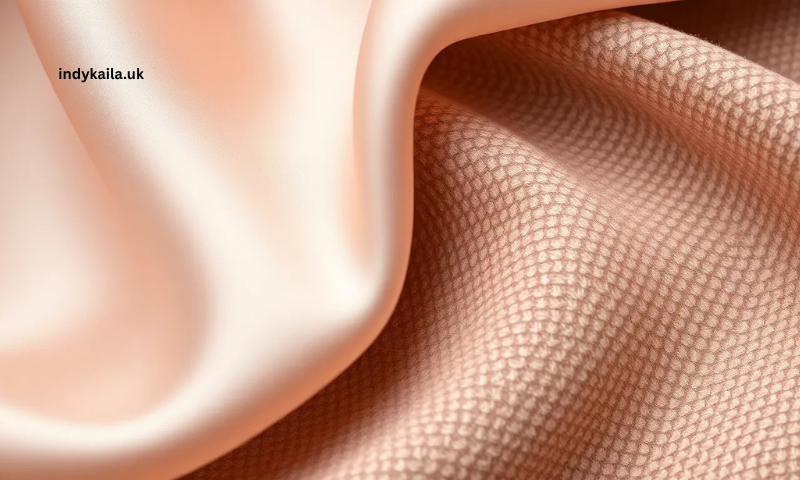
Flensutenol texture has become a topic of growing interest among people who enjoy learning about textures, materials, design concepts, and visual patterns. Although the term may seem unfamiliar at first, many people want to understand what flensutenol texture means and why it attracts attention.
Texture plays a major role in how we see and experience objects. It affects appearance, feel, and even quality. Because of this, flensutenol texture has become an interesting subject for researchers, designers, and curious readers.
This guide explores flensutenol texture in simple language. You will learn about its features, benefits, uses, importance, and future possibilities. By the end, you will have a clear understanding of flensutenol texture and its growing relevance.
What Is Flensutenol Texture?
Flensutenol texture refers to a unique texture concept that focuses on surface appearance, depth, and pattern arrangement. It combines visual qualities with structural details to create a distinctive effect.
Many textures appear either smooth or rough. However, flensutenol texture often combines multiple characteristics. This combination helps create a more interesting and engaging surface.
People often discuss flensutenol texture when exploring design ideas, visual elements, creative projects, and material studies. As a result, the term continues to appear in different discussions.
The growing curiosity around flensutenol texture shows how important texture has become in modern design and visual communication.
Why Flensutenol Texture Matters
Texture affects how people react to an object. Before touching something, people usually notice its appearance. Because of this, texture creates a strong first impression.
Flensutenol texture helps surfaces appear more detailed and attractive. It adds character and helps objects stand out from ordinary designs.
In addition, texture influences user experience. A well-designed texture can make an object feel more appealing and memorable.
As competition increases across many industries, creators look for ways to capture attention. Therefore, flensutenol texture has become an important topic.
The Main Characteristics of Flensutenol Texture
Several features help define flensutenol texture. These characteristics make it different from many standard textures.
One important feature is depth. Surfaces with flensutenol texture often appear layered and visually rich. This depth creates a stronger visual impact.
Another characteristic is balance. Flensutenol texture usually combines different elements without making the surface look crowded or confusing.
Consistency is also important. While the texture may contain many details, it often follows a clear pattern that keeps the design organized.
Flexibility is another strength. Flensutenol texture can adapt to different styles and purposes.
The Visual Appeal of Flensutenol Texture
Visual appeal is one of the biggest reasons people appreciate flensutenol texture. Texture helps transform simple surfaces into more engaging designs.
When light interacts with textured surfaces, it creates shadows and highlights. These effects make the surface appear more realistic and dynamic.
Flensutenol texture often creates a sense of depth that attracts attention. People naturally notice surfaces that contain visual variation.
At the same time, texture helps establish identity. A unique texture can make a design easier to recognize and remember.
Because of these benefits, many creators incorporate flensutenol texture into their work.
How Flensutenol Texture Influences Perception
People often judge quality based on appearance. Therefore, texture plays a larger role than many realize.
Flensutenol texture can make products appear more refined and carefully designed. Even small texture details may influence opinions.
Texture also affects emotions. Certain patterns feel calm and relaxing, while others feel energetic and exciting.
Because of this connection, flensutenol texture can shape how users experience a product, design, or visual project.
Understanding perception helps creators use texture more effectively.
Flensutenol Texture in Digital Design
Digital design relies on visual elements to create engaging experiences. Texture helps prevent designs from looking flat and lifeless.
Flensutenol texture can add realism to digital artwork, illustrations, and backgrounds. This added depth improves the overall appearance.
Many designers use texture to create visual hierarchy. Important elements become easier to notice when texture supports the design.
In addition, texture can improve storytelling. Digital scenes often feel more believable when realistic textures are present.
As digital platforms continue to grow, the importance of flensutenol texture also increases.
Flensutenol Texture in Product Design
Product designers focus on both appearance and function. Texture helps support these goals.
Flensutenol texture may improve the visual quality of a product while also enhancing user interaction. People often enjoy products that look and feel unique.
Texture can help products stand out on store shelves. Consumers frequently notice attractive details before making purchasing decisions.
Moreover, texture contributes to brand identity. Companies often use distinctive textures to create recognizable products.
For these reasons, flensutenol texture remains valuable in product design.
Benefits of Flensutenol Texture
Flensutenol texture offers many advantages. These benefits explain why interest in the concept continues to grow.
One major benefit is enhanced visual appeal. Texture creates depth and detail that improve overall design quality.
Another advantage is increased engagement. People tend to spend more time looking at visually interesting surfaces.
Flensutenol texture also encourages creativity. Designers can experiment with different patterns and structures.
Furthermore, texture helps establish uniqueness. A distinctive texture can separate one design from another.
These advantages make flensutenol texture useful across many fields.
Common Applications of Flensutenol Texture
Flensutenol texture can appear in many different environments. Its versatility allows creators to use it in various projects.
Graphic designers may use texture to create eye-catching visuals. Texture adds dimension and supports visual storytelling.
Digital artists often rely on texture to make scenes feel realistic. Detailed surfaces improve immersion and engagement.
Interior designers may also explore texture concepts when creating appealing spaces. Texture adds personality and warmth to environments.
Marketing professionals frequently use texture to strengthen visual communication and attract attention.
Challenges of Working With Flensutenol Texture
Although flensutenol texture offers many benefits, it also presents challenges. Successful implementation requires careful planning.
Too much texture can overwhelm viewers. Therefore, designers must maintain balance throughout a project.
Consistency may also become difficult when working with complex surfaces. Small differences can affect the final result.
Another challenge involves compatibility. Not every texture works well with every design style.
Testing and refinement help overcome these obstacles. As a result, creators can achieve stronger outcomes.
Factors That Affect Flensutenol Texture
Several factors influence how flensutenol texture appears. Understanding these factors helps improve texture quality.
Lighting plays a significant role. Different lighting conditions can completely change the appearance of a textured surface.
Color choices also matter. Certain colors highlight texture details more effectively than others.
Scale affects perception as well. Large textures create different impressions than small textures.
Material properties may further influence texture visibility and effectiveness.
By considering these factors, designers can maximize the impact of flensutenol texture.
Future of Flensutenol Texture
The future of flensutenol texture looks promising. Technology continues to expand creative possibilities.
Advanced software allows designers to create more detailed and realistic textures. These tools improve efficiency and flexibility.
Artificial intelligence may also influence texture development. New systems can generate texture variations quickly.
Virtual reality and augmented reality will likely increase demand for realistic textures. Users expect immersive experiences.
Because of these trends, flensutenol texture may become even more important in the coming years.
FAQs
1. What is flensutenol texture?
Flensutenol texture is a texture concept focused on surface appearance, depth, structure, and visual detail.
2. Why is flensutenol texture important?
It improves visual appeal, supports creativity, and enhances user experience.
3. Where is flensutenol texture used?
It can appear in digital design, product design, graphic design, and creative projects.
4. What makes flensutenol texture unique?
Its combination of depth, balance, and visual interest helps distinguish it from simpler textures.
5. Can beginners learn about flensutenol texture?
Yes. Anyone can understand the basics by studying texture principles and practicing observation.
Conclusion
Flensutenol texture represents an interesting approach to texture design and visual communication. It combines depth, structure, and appearance to create engaging surfaces that capture attention.
As technology evolves and creative industries continue to grow, the importance of flensutenol texture may increase even further. Whether used in digital projects, product development, or artistic work, texture remains a powerful tool that shapes how people see and experience the world around them.
